
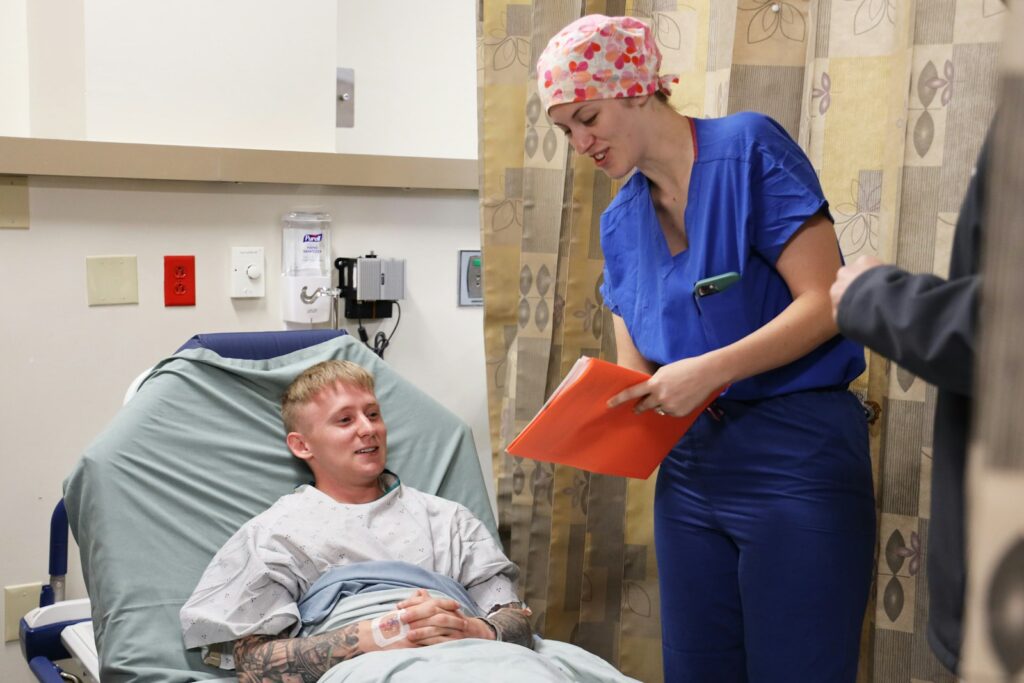
Palliative care for cancer is specialist supportive care focused on quality of life — managing symptoms and the physical, emotional, social and spiritual impact of illness. The single most important message is that it is not only for the end of life and is not “giving up”: it can and should be given alongside active cancer treatment such as chemotherapy, radiotherapy or surgery, from an early stage. Anyone can receive palliative care regardless of age or stage of disease, and some people have it for years. It is added support to help you live as well as possible.
Caring for an older loved one, or planning ahead for their health?
Message our care team on WhatsApp. Tell us what’s going on and we’ll help you find the right geriatrician — free, with no obligation.
Chat with our care team on WhatsAppNot sure who to see? Find the right specialist →
In a medical emergency, or for severe or sudden symptoms such as breathing difficulty, chest pain, fainting or stroke signs, call 995 immediately.
Coming to Singapore from overseas for treatment? See our guide for international patients — costs, visas, travel and language support — or chat with our care team on WhatsApp.
Follow your oncology and palliative care plan and your chemo emergency instructions. Seek urgent care for a fever during chemotherapy (possible neutropenic fever), uncontrolled pain or breathlessness, or new severe symptoms; call 995 for emergencies. For distress, SOS 1767 and mindline.sg.
What it is
Palliative care may be provided at any point during cancer care, from diagnosis to the end of life, and anyone can receive it regardless of their age or stage of disease. In Singapore, cancer centres describe supportive and palliative care as an essential part of comprehensive cancer care, available at any stage of the illness journey, with the goal of optimising quality of life so people can live as well as they can, for as long as they can. It is best understood as added support, not a replacement for treatment.
Correcting the biggest misconception
Many people believe palliative care means the end is near or that the team is giving up — both untrue. It can begin at diagnosis and runs alongside chemotherapy, radiotherapy and surgery, and having it does not mean you are likely to die soon; some people receive it for years. Framing it as a layer of support that works with your oncology team, rather than instead of it, helps people accept help earlier — which is exactly when it does the most good.
What it helps with
In cancer, palliative care helps with physical symptoms such as pain, fatigue, loss of appetite, nausea, breathlessness and poor sleep; with emotional and psychological effects such as anxiety, depression, fear and distress; and with practical and family support, from care coordination to caregiver strain and questions of meaning and spirituality. Our guides on pain, breathlessness and cancer rehabilitation cover several of these in more depth. This guide gives no medication doses; symptoms can be managed, and the team explains how.
Who provides it
Palliative care is delivered by multidisciplinary teams working with the oncology team — doctors, nurses, medical social workers, clinical psychologists, therapists, chaplains and other allied-health professionals. It is available as inpatient and outpatient services and in the community and at home, so support can follow the person wherever they are being cared for.
How it differs from hospice care
Palliative care is broader and starts earlier — at any stage, alongside curative or active treatment — while hospice or end-of-life care is a subset that begins when the focus shifts away from curative treatment toward comfort and quality of life. In other words, all hospice care is palliative, but not all palliative care is hospice care. Understanding this difference helps people accept palliative support early without feeling it signals the end.
Red flags in cancer
Some situations need urgent care rather than waiting. A fever or feeling unwell or shivery during or after chemotherapy, when the immune system may be low, can be neutropenic fever — a medical emergency; contact the oncology team or hospital immediately as instructed on the chemo emergency card. Uncontrolled pain or breathlessness not relieved by the usual plan, or new severe or rapidly worsening symptoms such as sudden breathlessness, chest pain, uncontrolled vomiting, confusion, heavy bleeding, inability to pass urine or sudden weakness, also need urgent review. Follow the oncology and palliative plan and the emergency card first, and call 995 for emergencies.
Support in Singapore
Palliative care for cancer is delivered through cancer centres such as the National Cancer Centre Singapore and the National University Cancer Institute, along with public hospitals, hospices and home-care providers under the Singapore Hospice Council. The Singapore Cancer Society offers home hospice care, counselling, cancer rehabilitation, financial and transport assistance and support groups (helpline 1800-727-3333), and the Agency for Integrated Care (AIC, 1800-650-6060) helps navigate care and support caregivers. For emotional distress, SOS 1767 and mindline.sg are there. Ask your cancer team early what palliative and supportive services are available — accepting them is a step toward living well, not a step away from treatment. Studies and clinical experience consistently find that people who receive good supportive care alongside cancer treatment tend to have better-controlled symptoms and quality of life, which is why many cancer centres now introduce it early as a matter of routine rather than waiting until other options are exhausted. If it has not been offered, it is entirely reasonable to ask for a referral yourself.
Related palliative & supportive-care topics
- Hospice care
- Advance Medical Directive (AMD)
- End-of-life care
- Palliative care at home
- Managing pain in palliative care
- Breathlessness in palliative care
- Appetite & eating near the end of life
- Caring for a dying loved one
- Talking about death & dying
- Advance care planning
- Geriatricians in Singapore
Sources
- National Cancer Institute — Palliative Care in Cancer: cancer.gov
- Marie Curie — Palliative and end-of-life care: mariecurie.org.uk
- National Cancer Centre Singapore — Supportive & Palliative Care: nccs.com.sg
- Singapore Cancer Society: singaporecancersociety.org.sg