
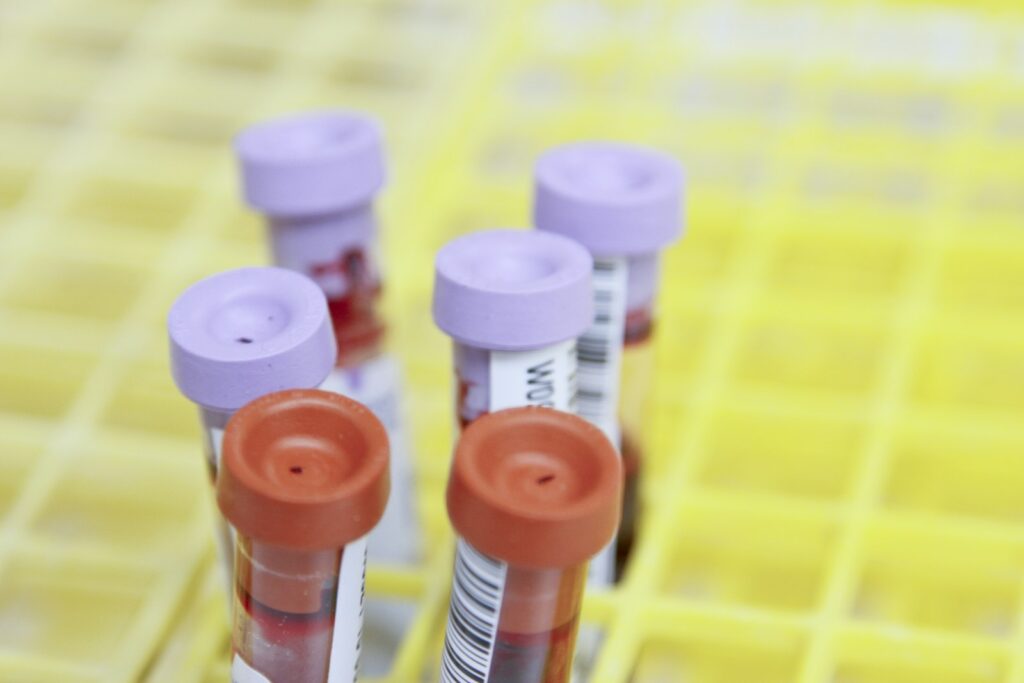
Quick answer. Thrombocytopenia means having a lower-than-normal number of platelets – the tiny blood cells that help your blood clot – usually picked up on a full blood count. It has many possible causes, from mild and harmless to serious, and treatment depends entirely on the cause and on how low the count is, so a doctor should always help interpret the result. In Singapore, dengue is a common and important cause – the platelet count typically falls during the illness and is monitored closely.
Trying to make sense of a blood disorder or abnormal results?
Message our care team on WhatsApp. Tell us what’s going on and we’ll help you find the right haematologist — free, with no obligation.
Chat with our care team on WhatsAppNot sure who to see? Find the right specialist →
In a medical emergency, or for severe or sudden symptoms such as breathing difficulty, chest pain, fainting or stroke signs, call 995 immediately.
The key point: a mildly low count with no symptoms is often nothing to worry about, but signs of serious bleeding – blood in urine or stool, or a severe headache with neurological symptoms – are an emergency.
What low platelets means
Platelets (also called thrombocytes) are tiny blood cells that clump together to plug damaged blood vessels and begin forming a clot whenever a vessel is injured. They are one of the components measured in a routine full blood count. Thrombocytopenia simply describes a result that falls below the normal range that laboratories report; it is a finding with many possible explanations rather than a single disease in its own right.
The significance of the finding depends heavily on how far the count has fallen. A mildly low count is often discovered by chance in someone who feels perfectly well and has no symptoms at all, and may need nothing more than a repeat test. A much lower count, on the other hand, raises the risk of bleeding – sometimes spontaneously, without any injury. Because the same number can mean very different things depending on the cause and the person, the result always needs a doctor to interpret it in context.
Symptoms to look out for
When the count is only mildly reduced there are frequently no symptoms whatsoever, which is why so many cases come to light unexpectedly on a blood test done for another reason. As the count falls further, the tell-tale signs are all related to bleeding into or under the skin and from the body’s surfaces:
- Easy or unexplained bruising, sometimes from knocks too minor to remember;
- Petechiae – tiny red or purple pinprick spots that do not fade when pressed, often appearing first on the lower legs;
- Bleeding gums, frequent nosebleeds, or prolonged oozing from small cuts;
- Heavier or longer menstrual periods than usual;
- Blood in the urine or stool, and bleeding that is unexpectedly hard to stop;
- Rarely, serious internal bleeding, including into the gut or the brain, which is a medical emergency.
What causes low platelets
The many causes are easiest to understand when grouped by the underlying mechanism – whether the body is making too few platelets, destroying them too quickly, or pooling them away from the circulation.
- Making too few platelets. The bone marrow, where platelets are produced, may not keep up because of a marrow disorder such as leukaemia, some viral infections, deficiencies of vitamin B12 or folate, heavy alcohol use, or the effects of chemotherapy and radiotherapy on the marrow.
- Destroying platelets too fast. In immune thrombocytopenia (ITP) the immune system mistakenly attacks and removes the body’s own platelets. Certain infections – including dengue, which is especially relevant in Singapore – some medicines, and pregnancy can all speed up platelet loss.
- Pooling in an enlarged spleen. The spleen normally holds a share of the body’s platelets. When it becomes enlarged, it can trap a much larger proportion, so fewer are left circulating in the blood even though the total number in the body may be near normal.
Some situations involve more than one of these mechanisms at once, and a few – such as a falsely low reading caused by platelets clumping in the test tube – are not true thrombocytopenia at all, which is one reason a doctor may repeat the test before doing anything further.
The dengue connection in Singapore
Dengue is common in Singapore, and a falling platelet count is a hallmark of the illness. The count tends to drift down as the fever settles and the illness enters its critical phase, which is exactly why doctors monitor platelets closely during dengue and watch for warning signs such as persistent vomiting, severe abdominal pain, bleeding from the gums or nose, and unusual lethargy. Anyone with suspected or confirmed dengue should avoid anti-inflammatory painkillers and aspirin, which can add to the bleeding risk, and should follow their doctor’s advice on how often to have their blood checked. Severe dengue is a medical emergency; the reliable, locally relevant guidance on HealthHub is a good place to understand the warning signs.
How low platelets are diagnosed
Assessment usually starts by repeating the full blood count to confirm the result is genuinely low and not an artefact of the sample. A doctor will also look at a blood film – a specially stained view of the blood under the microscope – which shows the size and appearance of the platelets and other cells and can offer clues to the cause. From there, the further tests are chosen to fit the likely explanation, and may include additional blood tests for infection, autoimmune conditions, clotting problems, or vitamin deficiencies. Where a marrow disorder is suspected, or the cause remains unclear, a bone-marrow test may be arranged to examine how platelets are being produced. Much of this work-up is led by a haematologist.
Treatment depends on the cause and severity
There is no single treatment for low platelets, because the right approach depends entirely on why the count is low and on how low it is. Mild, stable thrombocytopenia in someone who feels well often needs nothing more than monitoring with repeat blood tests to make sure it is not worsening.
Where a specific cause is found, treatment is aimed squarely at it – for example stopping a medicine that is responsible, correcting a vitamin deficiency, reducing alcohol, or treating an underlying infection. Conditions such as immune thrombocytopenia (ITP) have their own specific treatments, which a doctor tailors to the individual and how the condition behaves over time. For severe thrombocytopenia with active or dangerous bleeding, or a very low count, urgent hospital treatment may be needed, which can include a platelet transfusion. All of these decisions are made and supervised by the doctor or haematologist looking after you, who weighs the bleeding risk against the risks of treatment.
Living with low platelets and everyday self-care
If your count is low, some simple, sensible habits can lower the chance of a bleed while the cause is being sorted out. These are general precautions, and your own doctor’s advice always comes first:
- Avoid injury. Take extra care with sharp objects, and step back from contact sports or activities with a high risk of falls or knocks when your count is low.
- Be cautious with medicines that affect bleeding. Anti-inflammatory painkillers, aspirin and blood thinners can all increase bleeding, so take them only under medical advice, and remind any doctor or pharmacist that your platelets are low.
- Protect your gums and skin. Use a soft toothbrush, be gentle when flossing, and use an electric razor rather than a blade where possible.
- Speak up before any procedure. Tell dentists, surgeons and other healthcare providers about your low platelets before any operation, dental work, injection or new medication, so they can plan safely.
- Limit alcohol, which can affect both platelet production and function, and keep to your monitoring appointments.
When to see a doctor
See a doctor if you notice easy bruising, petechiae, frequent nosebleeds or bleeding gums, heavier periods than usual, or if a blood test has shown a low platelet count that has not been explained. Seek urgent care – A&E or call 995 – for bleeding that will not stop, blood in the urine or stool, black stools, coughing up or vomiting blood, or a sudden severe headache, confusion or weakness, all of which can signal serious internal or brain bleeding. A fever together with easy bruising or bleeding also needs prompt assessment. For persistent or unexplained low counts, a haematologist can find the cause and guide treatment.
Related blood & haematology topics
- Anaemia
- Iron-deficiency anaemia
- Vitamin B12 & folate deficiency
- Thalassaemia
- G6PD deficiency
- Deep vein thrombosis (DVT)
- Haemophilia
- Multiple myeloma
- Understanding your full blood count
- Pulmonary embolism
- Haematologists in Singapore
Sources
- Cleveland Clinic — Thrombocytopenia: definition, count context, symptoms, causes, treatment, brain-bleed red flag.
- NHLBI — Thrombocytopenia / platelet disorders: normal range and mechanism-based causes.
- Cleveland Clinic — Immune thrombocytopenia (ITP): definition and steroid/IVIG first-line treatment.
- Communicable Diseases Agency (CDA) Singapore — dengue: falling platelets, warning signs, avoid NSAIDs/aspirin.