
Concerned about your kidney health or your blood-test results?
Message our care team on WhatsApp. Tell us what’s going on and we’ll help you find the right best nephrologist — free, with no obligation.
Chat with our care team on WhatsAppNot sure who to see? Find the right specialist →
In a medical emergency, or for severe or sudden symptoms such as breathing difficulty, chest pain, fainting or stroke signs, call 995 immediately.
At a glance
- Kidney stones are hard deposits of minerals and salts that form in the kidneys and can cause intense pain as they pass.
- They are common in Singapore’s hot climate, where dehydration is a major factor.
- Small stones often pass with fluids and pain relief; larger stones may need procedures such as lithotripsy or surgery.
- Once you have had a stone, you are at higher risk of another, so prevention matters.
What kidney stones are
Kidney stones are hard deposits of minerals and salts that build up inside the kidneys when substances in the urine become too concentrated and crystallise. Some are as fine as grit and pass out unnoticed; others grow larger and can lodge in the narrow tube (the ureter) that carries urine from the kidney to the bladder. A stone that gets stuck can block the flow of urine and trigger severe pain. Stones are common, and Singapore’s hot, humid climate makes them more so — heavy sweating and not drinking enough leave the urine concentrated, which is the ideal condition for crystals to form. Anyone can develop a stone, and because they often return, understanding how they form is the first step to preventing the next one.
Symptoms
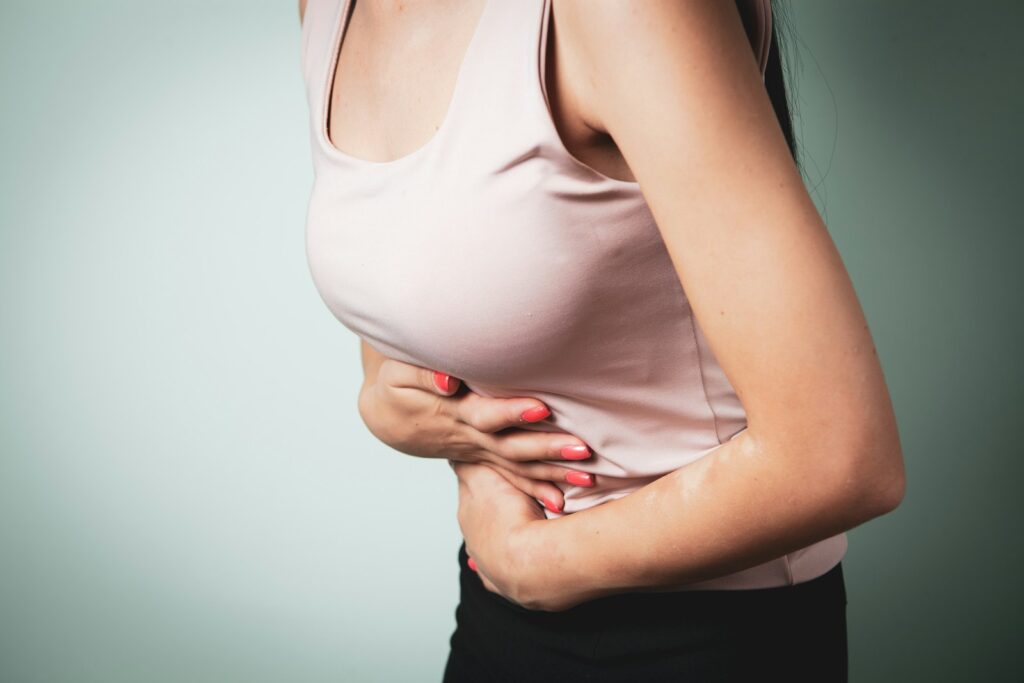
A stone may sit quietly in the kidney for a long time and cause no symptoms at all. Trouble usually begins when it starts to move. The classic symptom is sudden, severe cramping pain in the side and back below the ribs — often called renal colic — which can spread to the lower tummy and groin and tends to come in waves rather than staying constant. The pain can be so intense that you cannot find a comfortable position and feel restless and unable to keep still. Nausea and vomiting often accompany it. Other signs include blood in the urine (which may look pink, red or brown), cloudy or foul-smelling urine, needing to pass urine more often or more urgently, and pain when passing urine as the stone nears the bladder. A fever, chills or shivering alongside these symptoms points to infection and is a warning sign that needs urgent assessment, not a wait-and-see approach.
Causes and who is at higher risk
Stones form when the urine holds more crystal-forming substances — such as calcium, oxalate and uric acid — than the fluid can dilute, or when it lacks the substances that normally stop crystals sticking together. The most common type is calcium oxalate, but stones can also be made of uric acid, struvite (linked to infection) or other minerals, and each type has slightly different causes. Because the type guides prevention, doctors often ask you to catch a passed stone for analysis.
The single biggest risk factor is not drinking enough fluid, which is especially relevant in Singapore’s heat and for anyone who sweats heavily or works outdoors. Other contributors include a diet high in salt, high in animal protein, or rich in certain foods; being overweight; and a personal or family history of stones, which raises your risk considerably. Some medical conditions — including recurrent urine infections, gout, and certain gut, hormone and kidney disorders — and some medicines can also make stones more likely. Often several of these factors act together rather than any one alone.
How they are diagnosed
A doctor will ask about your symptoms and examine you, then arrange tests to confirm a stone and understand why it formed. Urine tests look for blood, infection and crystals, while blood tests check kidney function and the mineral levels that can drive stone formation. Imaging locates the stone and shows whether it is causing a blockage — usually a CT scan, which is very good at picking up stones, or an ultrasound, which avoids radiation and is often used for children, in pregnancy, or for follow-up. If you manage to catch a stone as it passes, sending it for analysis reveals its type and is one of the most useful steps in preventing future stones. In Singapore you might first be seen by a GP or at A&E during an acute attack, and be referred to a urologist for imaging and definitive treatment.
Treatment
Treatment depends on the size and position of the stone, whether it is causing a blockage or infection, and how much pain it is causing. Small stones can often pass on their own. The mainstays are drinking plenty of fluids and good pain relief, and doctors sometimes prescribe a medicine that relaxes the ureter to help the stone move along more easily. Straining your urine so you can catch the stone for analysis is worthwhile during this time.
Larger stones, stones that are stuck, or any stone causing a blockage or infection usually need a procedure. Shock-wave therapy (extracorporeal shock-wave lithotripsy, or ESWL) uses focused waves from outside the body to break the stone into fragments small enough to pass. Ureteroscopy passes a fine telescope up through the bladder to reach the stone and remove it or break it up with a laser, and a small tube (a stent) is sometimes left in place afterwards to keep the ureter open. For large stones, keyhole surgery through a small cut in the back (percutaneous nephrolithotomy) removes the stone directly. Most importantly, a stone that blocks the kidney and causes infection is an emergency: it needs urgent treatment to drain the trapped, infected urine and relieve the blockage without delay, because this can become life-threatening quickly.
Prevention
Prevention matters because stones frequently come back once you have had one. The most important measure is drinking enough fluid — mostly water — to keep your urine pale throughout the day, and drinking more when it is hot or you are active, which is a daily reality in Singapore’s climate. Beyond fluids, cutting down on salt lowers the risk for many people, as does maintaining a healthy weight. Advice on particular foods depends on your stone type: some people are guided on oxalate-rich foods or on moderating animal protein, while calcium in the diet is usually not restricted, because cutting dietary calcium can sometimes make stones more likely rather than less. This is why stone analysis and, for recurrent stones, blood and urine testing are so valuable — they let a urologist or nephrologist tailor prevention to you rather than relying on general rules.
Self-care and follow-up
If you are passing a small stone at home under medical advice, keep up your fluids, use the pain relief you have been given, and catch the stone if you can. Rest when the pain comes in waves and stay near a toilet, as the urge to pass urine can be strong. Watch closely for the warning signs above — a rising fever, worsening pain, vomiting that stops you keeping fluids down, or being unable to pass urine — and act on them straight away rather than waiting. After a stone has passed or been treated, attend any follow-up imaging and reviews, as fragments can remain and new stones can form silently. Making the hydration and dietary changes part of your everyday routine is the best long-term protection, and your doctor can arrange metabolic testing if stones keep returning despite these measures.
When to seek urgent help
See a GP or urologist for severe or persistent loin pain, blood in the urine, or stones that keep coming back, so the cause can be assessed and prevention planned. Seek emergency care at A&E or call 995 without delay if severe pain is joined by fever and chills, if you cannot pass urine at all, if pain or vomiting is uncontrollable, or if you have blood in the urine and feel very unwell. These can signal a blocked, infected kidney, which needs urgent treatment. For trusted local information, HealthHub is a good starting point, but it does not replace being seen when you have warning signs.
Common questions
How do I know if I am passing a kidney stone?
Sudden, severe waves of pain in the side and back, often with blood in the urine and nausea, suggest a passing stone and should be assessed.
Can I pass a kidney stone at home?
Small stones often pass with plenty of fluids and pain relief, but medical review is important, and larger stones or those with fever need treatment.
How can I prevent kidney stones?
Stay well hydrated so your urine is pale, cut down on salt, and follow any dietary advice for your stone type.
Related guides
Sources
- HealthHub Singapore — kidney stones.
- National Kidney Foundation Singapore — kidney stones.
- Urological Association guidelines — nephrolithiasis.
This article is for general information only and does not replace a consultation with a qualified doctor. If you have severe pain, high fever or cannot pass urine, seek urgent medical care.