
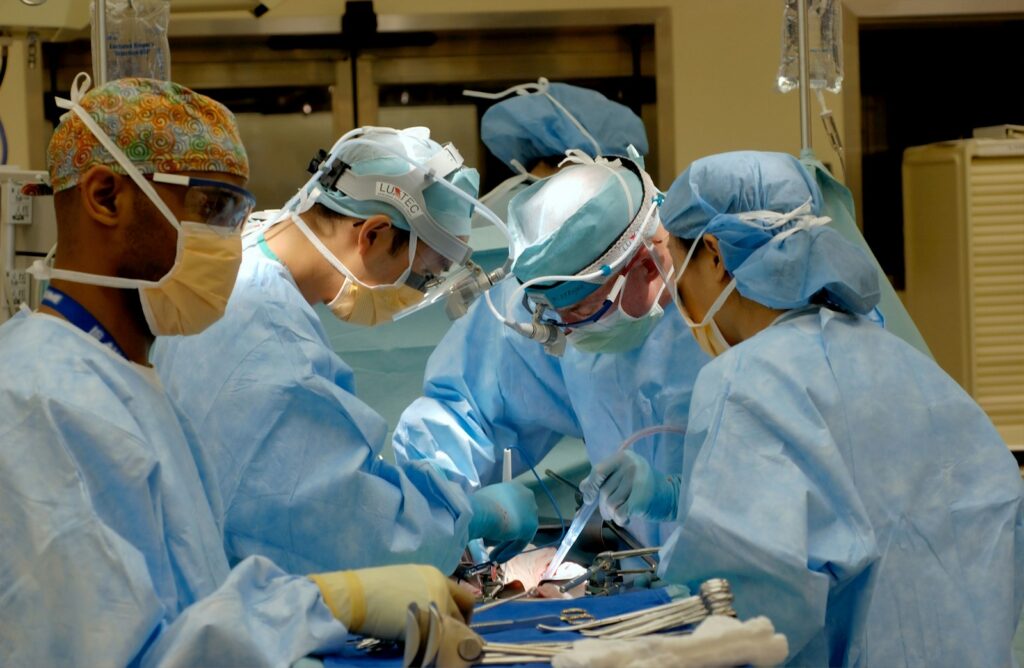
Quick answer. Surgery is sometimes needed for IBD when medication does not control the disease, when there are complications, or in an emergency. For ulcerative colitis, removing the large bowel removes the disease itself, and the person may have an ileostomy (a stoma) or an internal ileo-anal pouch. For Crohn’s disease, surgery treats a damaged or narrowed section but is not a cure, as the disease can recur. Some people have a temporary or permanent stoma, which is very manageable with specialist support. Emergencies such as a severe unresponsive flare, toxic megacolon, obstruction, perforation or heavy bleeding may need urgent surgery.
Ongoing tummy pain, reflux or a change in bowel habits?
Message our care team on WhatsApp. Tell us what’s going on and we’ll help you find the right gastroenterologist — free, with no obligation.
Chat with our care team on WhatsAppNot sure who to see? Find the right specialist →
In a medical emergency, or for severe or sudden symptoms such as breathing difficulty, chest pain, fainting or stroke signs, call 995 immediately.
When surgery is needed
Many people with IBD never need surgery, but some do at some point. Surgery may be needed when medication does not control the disease, when complications develop, or as an emergency for a serious problem. It can be planned (elective), giving time to prepare, or done urgently. Deciding on surgery is a major step made together with your gastroenterologist, colorectal surgeon and IBD team, weighing the benefits, risks and alternatives. Understanding that surgery is a recognised and sometimes very helpful part of IBD care – not a failure – can make the prospect less daunting if it is raised for you.
Surgery for ulcerative colitis
Because ulcerative colitis affects only the colon and rectum, surgery to remove the large bowel removes the disease itself, which can resolve the colitis. After the colon is removed, there are two main routes. One is an ileostomy, in which the end of the small bowel is brought to an opening on the tummy, called a stoma, with output collected in a bag; this can be temporary or permanent. The other is an ileo-anal pouch, sometimes called a J-pouch, in which an internal pouch is made from the small bowel and joined to the anus, allowing the person to pass motions in the usual way, often created in stages.
Surgery for Crohn’s disease
Surgery for Crohn’s disease is different in an important way: it is not a cure, because Crohn’s can affect any part of the gut and can return, often near the site of a previous operation. Surgery therefore targets the specific problem – for example, removing a damaged section and joining the healthy ends together (a resection), widening a narrowed segment (a strictureplasty), or dealing with fistulas, abscesses or obstruction. Some people with Crohn’s also need a stoma, temporary or permanent. Understanding that Crohn’s surgery manages problems rather than curing the disease helps set realistic expectations and highlights why ongoing medical treatment usually continues afterwards.
Living with a stoma
The idea of a stoma can be frightening, but it is very manageable, and most people adapt well and return to their normal activities. Specialist stoma-care or stomal therapy nurses provide training in looking after a stoma and offer ongoing support, which makes a real difference. A stoma is not a failure or a catastrophe; for many people it brings relief from severe, uncontrolled symptoms and a better quality of life. If you are facing surgery that may involve a stoma, a separate series of guides on this site covers living with a stoma in detail, and your stoma nurse will support you through the transition.
Preparing for surgery
Good preparation helps recovery. Before planned surgery, you will discuss the operation, its benefits and risks, and the options with your colorectal surgeon and IBD team. Optimising your nutrition and general health beforehand is valuable, as IBD can leave people run down. If a stoma is planned, you will usually meet a stoma nurse and have the best position for the stoma marked on your abdomen in advance, which improves comfort and management afterwards. Asking questions and understanding what to expect – the operation itself, the hospital stay, and recovery – helps you feel more prepared and in control going into surgery.
Recovering from surgery
Recovery from IBD surgery involves a hospital stay followed by a gradual return to eating and activity, and tiredness is common as your body heals. You will have wound care and, if you have a stoma, stoma care to learn, with support from the nursing team. Follow-up with your IBD team continues afterwards, and returning to work and exercise should be guided by medical advice rather than rushed. Everyone’s recovery is individual, so it is best not to compare yourself with others. Giving yourself time, following your team’s guidance, and asking for help when you need it all support a smooth recovery.
Emergency surgery
Sometimes surgery is needed urgently for a complication. These include a severe flare that does not respond to treatment, toxic megacolon (a dangerous rapid widening of the colon in severe colitis), perforation of the bowel, obstruction, or heavy bleeding. Because these are emergencies, it is vital to seek urgent care – call 995 or go to A&E – for severe abdominal pain, a swollen, tender or rigid abdomen, a high fever, heavy rectal bleeding, persistent vomiting, or being unable to pass motions or wind with a bloated, painful tummy. Prompt treatment of these complications can be lifesaving, so never delay seeking help.
After surgery: when to seek help
After surgery, most people recover well, but it is important to know the signs that need prompt review. Seek medical advice if you develop a fever, increasing pain, or redness, swelling or discharge at the wound. If you have a stoma, contact your team if it turns dark or dusky, stops working, or if you have no output along with pain and bloating, or persistent vomiting. In Singapore, colorectal surgeons, gastroenterology and IBD teams, and stoma-care nurses at the public hospitals provide this care and follow-up. Knowing what is normal and what needs attention helps you recover safely and confidently after IBD surgery.
Related IBD topics
- Living with inflammatory bowel disease
- Understanding Crohn’s & ulcerative colitis
- Managing flares & staying in remission
- IBD medication & treatment
- Diet & nutrition with IBD
- Fatigue, anaemia & IBD
- Mental health & emotional wellbeing
- Pregnancy, fertility & IBD
- Living well: work, travel & daily life
- Crohn’s disease: an overview
- Ulcerative colitis: an overview
- Gastroenterologists in Singapore
Sources
- Crohn’s and Colitis UK – Surgery for ulcerative colitis: crohnsandcolitis.org.uk
- Crohn’s and Colitis UK – Surgery for Crohn’s disease: crohnsandcolitis.org.uk
- NHS – Ulcerative colitis: nhs.uk
- NHS – Crohn’s disease: nhs.uk