
Quick answer. Heart failure treatment controls symptoms and, importantly, several medicines help you live longer and stay out of hospital – so taking them consistently matters, and you should not stop them just because you feel well. Many people take several together deliberately, with doses built up slowly by the team. Water tablets (diuretics) ease fluid and breathlessness but do not themselves improve survival. Some medicines need blood-test monitoring. Avoid anti-inflammatory painkillers (NSAIDs) unless your doctor says otherwise, as they worsen fluid retention. Other treatments include devices, treating the cause, cardiac rehab and vaccinations. Never start, stop or change a medicine without advice. This gives no doses and is general information, not a diagnosis.
Chest pain, palpitations or breathlessness on your mind?
Message our care team on WhatsApp. Tell us what’s going on and we’ll help you find the right cardiologist — free, with no obligation.
Chat with our care team on WhatsAppNot sure who to see? Find the right specialist →
In a medical emergency, or for severe or sudden symptoms such as breathing difficulty, chest pain, fainting or stroke signs, call 995 immediately.
Why the medicines matter
The single most important thing to understand about heart failure medicines is that several of them are “prognostic” – they do more than ease symptoms, they help people live longer and stay out of hospital. That is why taking them consistently, and not stopping them just because you feel well, matters so much: feeling better is usually a sign the medicines are working, not a reason to stop. Many people take several of these medicines together, and the combination is deliberate – each works on the heart in a different, complementary way. Doses are usually started low and increased slowly over weeks or months by the team, with review along the way.
The main medicine types
Described by type (this guide gives no drug names or doses): one of a group that relaxes blood vessels and reduces strain on the heart – the ACE inhibitor, angiotensin receptor blocker (ARB), or angiotensin receptor-neprilysin inhibitor (ARNI) classes, of which people are usually on one. Beta-blockers slow and protect the heart; they are started low, increased slowly, and should not be stopped suddenly. Mineralocorticoid receptor antagonists help the heart and reduce fluid retention. SGLT2 inhibitors are a newer class, originally a diabetes medicine, now widely used in heart failure to protect the heart and kidneys, in people with and without diabetes. Together these form the survival-improving combination.
Water tablets (diuretics)
Diuretics, or “water tablets,” deserve their own mention because they work differently from the others. They control fluid, easing breathlessness and swelling, and they are often what makes you feel better day to day. But an important distinction: unlike the medicines above, diuretics ease symptoms and control fluid but do not themselves improve survival – they are for symptom and fluid control. Their dose may be adjusted according to your fluid status, and some people have an agreed plan with their team for this. Do not adjust the dose yourself unless your team has specifically set up such a plan with you, and discuss the timing if night-time toilet trips disturb your sleep.
Painkillers to avoid
A crucial safety point: avoid anti-inflammatory painkillers (the NSAID class) unless a doctor specifically says they are safe for you. These medicines cause the body to hold on to fluid and salt, can blunt the effect of your water tablets and other heart medicines, can worsen kidney function, and can worsen heart failure or trigger a hospital admission – NICE advises against them in severe heart failure and caution in others. This includes many painkillers you can buy without a prescription, and some cold and flu remedies. Always check with a pharmacist or doctor before buying any over-the-counter painkiller, and ask what is safe to take instead.
Using your medicines safely
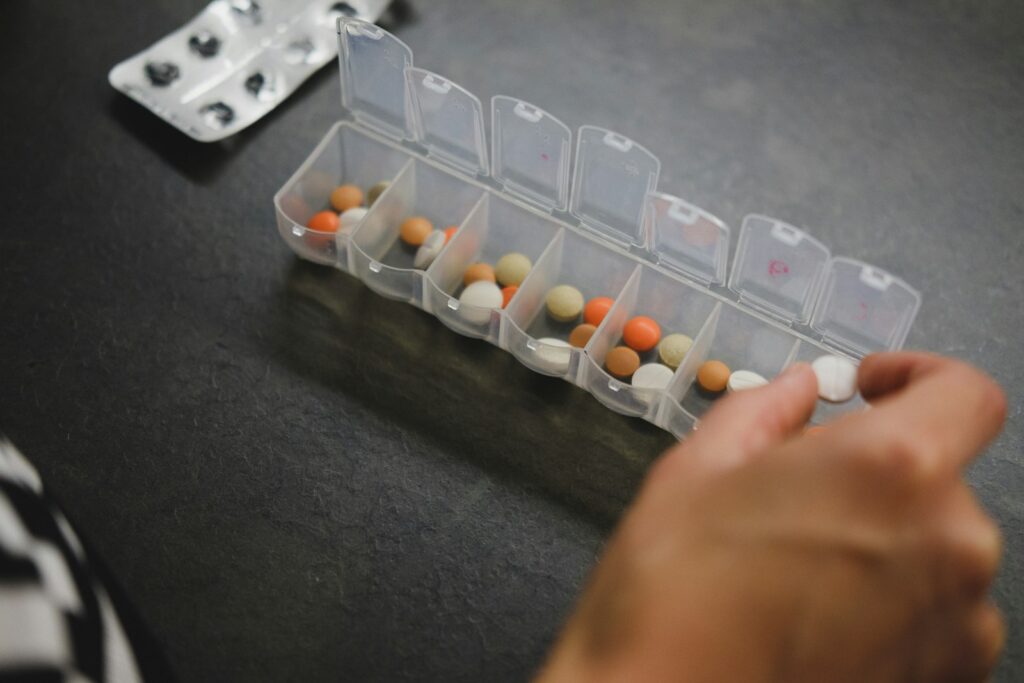
A few habits keep your treatment working. Keep an up-to-date medicines list, use a pill organiser or reminders, and refill before you run out. Bring your list to every appointment, and ask what each medicine is for. If a medicine causes side effects, report them to your team rather than stopping – most can be managed by adjusting. Some heart failure medicines need regular blood tests to monitor kidney function and potassium; keeping these appointments is part of safe treatment. And always mention your heart failure when getting any new medicine, dental treatment or over-the-counter remedy, especially painkillers and high-salt soluble tablets.
Other treatments
Medicines are the foundation, but not the whole picture. Treating the underlying cause – blood pressure, coronary artery disease, valve or rhythm problems – is part of care. Some people benefit from devices: a pacemaker, an implantable cardioverter defibrillator (ICD), or cardiac resynchronisation therapy (CRT); the site’s living-with-a-cardiac-device guides cover these. Cardiac rehabilitation – a supervised exercise and education programme – is recommended for people with heart failure. Vaccinations against flu and pneumococcal infection are usually advised, because infections hit harder. In advanced cases, procedures, surgery or specialist and supportive care may be considered, guided by your team.
Support in Singapore and safety
In Singapore, heart failure care is usually coordinated through hospital cardiology or dedicated heart failure clinics, with heart failure nurses supporting education and dose adjustments, and hospital and community pharmacists able to review your medicines and advise on safe over-the-counter choices. The Singapore Heart Foundation and Heart Failure Society (Singapore) offer education and support. The safety rules to hold onto: never start, stop or change a heart failure medicine or its dose without advice, avoid anti-inflammatory painkillers unless your doctor approves, keep your monitoring blood tests, and call 995 for severe breathlessness, chest pain, coughing up pink frothy spit, or fainting.
Related heart failure topics
- Living with heart failure
- Understanding symptoms & diagnosis
- Managing fluid & weight
- Diet & salt
- Staying active
- Heart failure & mental health
- Recognising a flare-up
- Heart failure & sleep
- Work, travel & daily life
- Heart failure overview
- Breathlessness: when to worry
- Cardiologists in Singapore
Sources
- NHS – Heart failure treatment: nhs.uk
- NHS – Heart failure: nhs.uk
- NHS – Living with heart failure: nhs.uk