
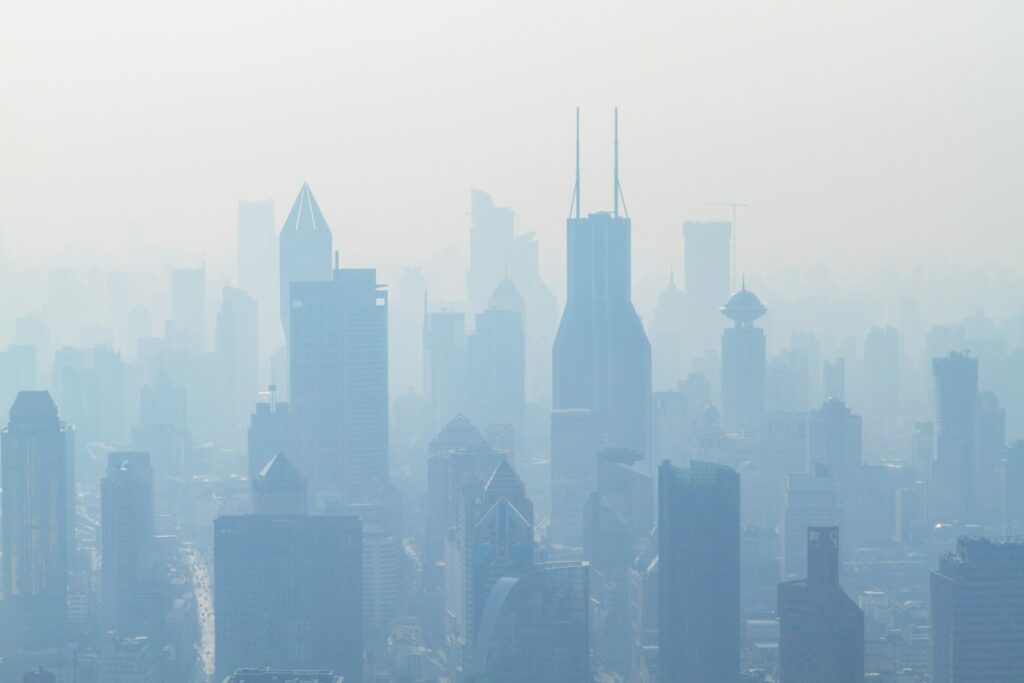
Haze and air pollution can irritate the eyes, nose and throat, trigger cough, and worsen asthma, COPD and heart conditions. During Singapore’s haze season, stay indoors and reduce outdoor exertion when air quality is poor, keep windows closed, run an air purifier, and wear a well-fitted mask such as an N95 outdoors when advised. Follow current NEA and HPB advisories, keep reliever medicines handy, and seek help early. Call 995 for severe breathing difficulty or chest pain.
Not sure which specialist you need?
Message our care team on WhatsApp. Tell us what’s going on and we’ll help you find the right specialist — free, with no obligation.
Chat with our care team on WhatsAppNot sure who to see? Find the right specialist →
In a medical emergency, or for severe or sudden symptoms such as breathing difficulty, chest pain, fainting or stroke signs, call 995 immediately.
Haze is a familiar part of life in Singapore. During the dry season, smoke drifting in from regional forest and land fires can settle over the island for days or weeks, turning the sky grey and leaving a smoky smell in the air. Along with everyday air pollution from traffic and other sources, haze can affect how we feel and breathe — especially for people who are more sensitive. This guide explains, in general terms, what haze and air pollution are, how they can affect health, and the practical steps you can take to protect yourself and your family.
What haze and air pollution are
Air pollution is a mix of tiny particles and gases suspended in the air. Some particles are so fine that they can be breathed deep into the lungs, and the smallest can pass further into the body. Pollution comes from many sources, including vehicle exhaust, industry and burning. In Singapore, haze is often driven by regional forest and land fires during the dry season, when smoke is carried across the region by prevailing winds. Haze tends to contain a high level of these fine particles, which is why it can affect breathing and comfort so noticeably.
How it affects health
In the short term, haze and polluted air commonly cause irritated eyes, a runny or blocked nose, a scratchy or sore throat, and a cough. Some people notice headaches or feel more tired. For those with existing conditions, pollution can worsen asthma, COPD and heart problems, sometimes triggering flare-ups, wheezing or breathlessness. Over the longer term, ongoing exposure to polluted air is linked with a greater risk of lung and heart disease. Most healthy people recover quickly once air quality improves, but symptoms should still be taken seriously, particularly when they are severe or persistent.
Who is most at risk
Some groups are more likely to feel the effects of haze. Children, whose lungs are still developing, and older people are more sensitive, as are pregnant women. People living with heart or lung conditions — such as asthma, COPD or established heart disease — are also more vulnerable and may notice their symptoms worsening. If you or someone you care for falls into one of these groups, it is worth being especially attentive during hazy periods and planning ahead.
Understanding air-quality guidance
Singapore uses an air-quality index together with health advisories to help people gauge conditions and decide what to do. These advisories are updated as the situation changes and offer guidance for the general population as well as for more sensitive groups. Rather than trying to interpret readings on your own, the simplest approach is to follow the current advice from the National Environment Agency (NEA) and the Health Promotion Board (HPB). Checking updates regularly during the haze season helps you plan outdoor activities and adjust your routine as needed.
How to protect yourself
When air quality is poor, the most effective step is to reduce your exposure. Stay indoors where you can and cut back on strenuous outdoor exertion, such as vigorous exercise or heavy manual work, since deeper breathing draws in more polluted air. Keep windows and doors closed to limit haze entering your home, and consider using an air purifier to help keep indoor air cleaner. If you do need to be outdoors when advised, wear a well-fitted mask such as an N95, which is designed to filter fine particles — an ordinary surgical or cloth mask offers less protection against haze. People with asthma or COPD should keep their reliever inhaler with them and use it as directed by their doctor.
Protecting vulnerable groups and managing conditions during haze
If you care for a child, an older relative, or someone with a heart or lung condition, a little preparation goes a long way. Make sure anyone with asthma or COPD has an up-to-date action plan and enough of their usual and reliever medicines to last through a hazy spell, so you are not caught short. Watch for early warning signs such as increasing cough, wheeze or breathlessness, and act on them promptly rather than waiting. Seeking help early — before symptoms become severe — is often the difference between a minor flare and a serious one. Keep indoor activities gentle and ensure everyone stays comfortable and well hydrated.
Indoor air quality generally
Good indoor air matters all year round, not only during the haze. When the air outside is clean, ventilating your home helps clear stale indoor air, but during hazy conditions it is better to keep windows closed and rely on filtration. Avoid adding to indoor pollution: do not smoke indoors, and be mindful of other sources such as strong fumes, incense and cooking smoke, using an extractor fan or opening up only when outdoor air is good. Keeping surfaces and filters clean also helps maintain fresher air inside.
When to see a doctor and red flags
See a doctor if your symptoms are severe, keep getting worse, or do not settle once air quality improves — for example a persistent cough, ongoing breathlessness, or eye and throat irritation that troubles you. People with asthma, COPD or heart disease should seek medical advice early if their condition is harder to control during the haze. Seek urgent care for severe breathlessness, chest pain, wheezing that is not relieved by an inhaler, or a child who is very unwell. Call 995 immediately for severe breathing difficulty or chest pain.
Common questions
Do masks help against haze?
A well-fitted mask such as an N95 is designed to filter the fine particles found in haze and can reduce your exposure when you need to be outdoors. It must fit snugly to work well. Ordinary surgical or cloth masks offer less protection against these tiny particles, so follow current advice on when a mask is recommended.
Should I still exercise outdoors during the haze?
When air quality is poor it is best to reduce or postpone vigorous outdoor exercise, because exercising makes you breathe harder and take in more polluted air. Consider moving your workout indoors or doing something gentler until conditions improve, and follow the current NEA and HPB advisories.
Are air purifiers worth using at home?
An air purifier can help keep indoor air cleaner during hazy periods, especially when combined with keeping windows and doors closed. It is a useful measure for households with children, older people, or anyone with a heart or lung condition, alongside the other steps in this guide.
Is haze dangerous for children and pregnant women?
Children and pregnant women are among the more sensitive groups, so it is sensible to take extra care during the haze. Keep children indoors and their activities gentle when air quality is poor, watch for symptoms, and speak to a doctor early if you have any concerns.
Can haze trigger an asthma or COPD flare-up?
Yes. The fine particles in haze can irritate the airways and worsen asthma and COPD, sometimes causing wheezing, cough or breathlessness. Keep your reliever inhaler handy, follow your action plan, and seek help early if your usual medicines are not controlling your symptoms.
Related guides
Sources
- National Environment Agency
- Health Promotion Board
- HealthHub
- World Health Organization
Important: This guide is for general information and is not a substitute for personalised medical advice. Please consult a doctor about your own health and any medicines. In an emergency — such as severe breathing difficulty or chest pain — call 995 or go to the nearest A&E.