
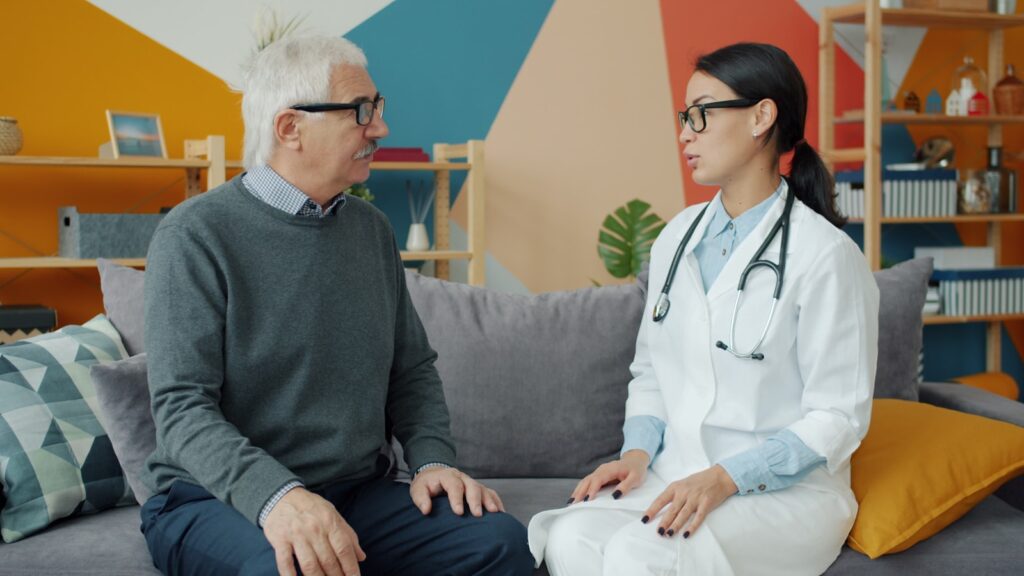
Getting a pacemaker or ICD is not only a physical change but an emotional one, and it is completely normal to have some difficult feelings as you adjust. Worry, low mood and anxiety are common, and, for people with an ICD, so is a specific fear of the device firing. These feelings usually ease with time, information and support, and it helps to know they are shared by many others. This guide covers the emotional side and where to find help in Singapore.
Chest pain, palpitations or breathlessness on your mind?
Message our care team on WhatsApp. Tell us what’s going on and we’ll help you find the right cardiologist — free, with no obligation.
Chat with our care team on WhatsAppNot sure who to see? Find the right specialist →
In a medical emergency, or for severe or sudden symptoms such as breathing difficulty, chest pain, fainting or stroke signs, call 995 immediately.
This is general information and does not replace your team’s advice. An ICD shock with feeling unwell, or more than one shock, is a medical emergency: call 995. If you feel unable to cope or have thoughts of harming yourself, reach out: the Samaritans of Singapore (SOS) are on 1767 and mindline.sg on 1771.
The feelings are normal
Difficult feelings after getting a cardiac device are a normal part of adjusting, not a sign of weakness. Anxiety, low mood and worry are common in people with heart conditions, and adjusting to what a diagnosis means takes time. Naming these feelings, and knowing that many others who have the same device feel the same way, is often the first step to managing them. It is worth talking about them with your team rather than carrying them alone.
Fear of shocks
For people with an ICD, a common and understandable worry is fear of the device firing. This can be a real burden even for those who have never had a shock, and it can grow after a shock has happened. Knowing exactly what to do if a shock comes, through a written shock plan agreed with your team, genuinely reduces the uncertainty and the fear. Many people come to see the ICD as a reassuring safety net that is watching over them, rather than a threat.
Body image and the bump
It is common to have feelings about the scar and the small bump you can see and feel under the skin. For some, the device is a visible reminder of a serious heart condition, which can take time to come to terms with. These feelings are valid, and they usually soften as you heal and get used to the device. Choosing comfortable clothing and giving yourself time helps, and if the feelings persist, your team can offer support.
Loss of driving
A driving restriction, temporary for most people but longer or permanent for some professional drivers, can hit hard, affecting independence, identity and mood, and this is often underestimated by others. It is a genuine loss and worth acknowledging. Planning alternative transport, leaning on family and friends, and knowing when you are likely to be able to drive again all help. If the loss of driving is weighing on you, talk to your team or cardiac rehabilitation staff about it.
What helps
Several things ease the emotional side. Cardiac rehabilitation rebuilds not just fitness but confidence, in a supported setting. Talking openly with your cardiology team, and psychological support or counselling where it is available, can make a real difference. Peer support, meeting or talking with others who live with the same device, helps many people feel less alone. And your partner and family often worry too, so involving them, and getting them support, helps everyone. For most people these feelings ease over time with information, reassurance and support.
End-of-life and device deactivation
This is a sensitive but important point, covered gently here. Near the end of life, as part of advance care planning, it is possible to turn off, or deactivate, an ICD’s shock function, so that it does not deliver distressing shocks when someone is dying naturally. This is a planned decision, discussed openly with the person, their family and the team, and it is done simply by reprogramming the device, with no operation needed. A pacemaker, which supports the heartbeat, is generally not switched off, as that is a different consideration. Knowing this option exists can bring peace of mind, and these conversations are a normal and caring part of long-term device care.
Support in Singapore
In Singapore, emotional and practical support around a cardiac device is provided through the hospital cardiology team and cardiac rehabilitation, who are the people to talk to if you are struggling. The Singapore Heart Foundation offers cardiac rehabilitation and a Healthy Heart Support Group, where people adjusting to life after a heart event can find peer support, though there is not a device-specific group. If the emotional side ever feels too heavy, you are not alone: the Samaritans of Singapore (SOS) are on 1767 and mindline.sg on 1771, any time, and 995 is for emergencies. With time and support, most people come to live comfortably and confidently with their device.
Related cardiac device topics
- Living with a pacemaker
- Having a device fitted: what to expect
- Living with an ICD
- What to do if your ICD shocks you
- Device checks & remote monitoring
- Everyday life with a cardiac device
- Electrical devices, interference & MRI safety
- Driving & travel
- Device problems & when to get help
- Cardiologists in Singapore
Sources
- Singapore Heart Foundation – Healthy Heart Support Group: myheart.org.sg
- Singapore Heart Foundation – What is cardiac rehabilitation: myheart.org.sg
- Sudden Cardiac Arrest UK – How to respond to an ICD shock: suddencardiacarrestuk.org
- Samaritans of Singapore (SOS) – 1767: sos.org.sg
- mindline.sg – 1771: mindline.sg