
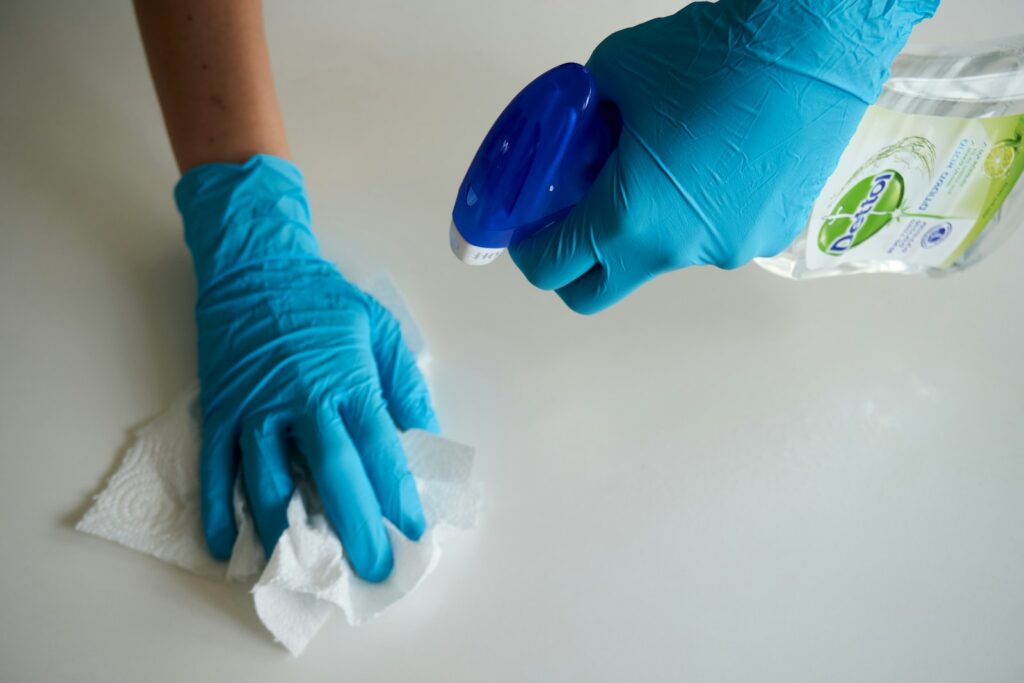
Looking after your oxygen equipment keeps it working properly, keeps you comfortable, and keeps you safe. Most of the care is simple and quickly becomes routine: keeping the cannula and tubing clean and clear, keeping the machine ventilated and its filter clean, and protecting the skin the tubing touches. Your supplier shows you the specifics for your equipment. This guide describes the principles, and the few things you must never do.
Breathless, wheezy, or living with a persistent cough?
Message our care team on WhatsApp. Tell us what’s going on and we’ll help you find the right respiratory physician — free, with no obligation.
Chat with our care team on WhatsAppNot sure who to see? Find the right specialist →
In a medical emergency, or for severe or sudden symptoms such as breathing difficulty, chest pain, fainting or stroke signs, call 995 immediately.
This is general information; follow your supplier’s instructions for your equipment. Never change your own flow rate, and never oil or grease any part of the equipment or use oil-based products on your skin (a fire risk). Call 995 for severe breathlessness, blue lips, or new drowsiness or confusion.
Cleaning the cannula and mask
Wipe the nasal cannula or mask clean regularly — often daily with a damp cloth or disinfectant wipe — rather than dipping it in water. Replace it on the schedule your supplier gives, commonly around monthly, and sooner if it becomes hard, discoloured, or after an infection. A clean, soft cannula is more comfortable and works better. Building a simple weekly and monthly routine for cleaning and replacing parts means the whole system stays reliable and you rarely have an unpleasant surprise. Keeping a spare to hand means you are never caught out if one needs changing. A cannula that has gone stiff or discoloured is also less comfortable, so replacing it on time is worth the small effort.
Tubing care
Keep the tubing untangled, and make sure it is not kinked, crushed or trapped — a blocked tube reduces or even stops the flow of oxygen. Long tubing lets you move around the home, but keep it clear of walkways and stairs so it is not a trip hazard, which is a real risk worth taking seriously. Replace tubing on your supplier’s schedule, and check along its length now and then for splits or squashed sections.
The concentrator filter and vents
An oxygen concentrator has an external air filter that needs cleaning as instructed — often washed in warm soapy water and dried fully before refitting — so the machine can draw air freely. Just as important, never block the machine’s air vents or cover it, and leave space around it in a well-ventilated spot. Switch it off and unplug it before wiping the outside with a damp cloth, and never let water get inside the machine. A machine that can breathe freely and stays clean will run better and last longer, so this small weekly task is well worth keeping up.
Humidification
If the oxygen dries your nose, your team may add humidification — a bottle that adds moisture to the oxygen — usually at higher flows. If you have a humidifier bottle, keep it clean and refill it only with the type of water your supplier specifies, commonly distilled or sterile water rather than tap water, to avoid mineral build-up and reduce infection risk. Humidification is something your team decides on, not a change to make yourself.
Protecting your skin
The cannula tubing can rub and press, so soreness behind the ears and around the nostrils and cheeks is common. Check these areas regularly, use soft padding or ear cushions, and reposition the tubing to spread the pressure. If the skin is dry, use a water-based moisturiser — never an oil-based one, because of the fire risk. If the skin starts to break down or blister, contact your team or supplier, who can provide padding or a different type of interface.
Dry nose and dry mouth
A dry or sore nose, dry mouth or throat, and occasional crusting are common with the steady flow of oxygen. Manage a dry nose with a water-based lubricating gel or saline drops or spray — again, never petroleum- or oil-based products such as petroleum jelly, which are a fire risk near oxygen. Staying well hydrated helps too. If dryness or nosebleeds keep bothering you, tell your team, as humidification or another measure may help.
What never to do, and who to call
Two rules are absolute: never change your own flow rate — oxygen is prescribed for your safety, and too much or too little can be harmful — and never oil, grease or lubricate any part of the equipment, as oil and oxygen together are a fire hazard. For equipment problems — an alarm, a fault, a cylinder running low, or a power cut — call your oxygen supplier, and for clinical concerns call your respiratory team. Keeping a small kit of spare parts, such as a cannula and tubing, also means minor problems never leave you stuck. In Singapore, keep both numbers to hand so help is always a phone call away.
Related home oxygen topics
- Living with home oxygen
- Assessment & prescription
- Concentrators, cylinders & equipment
- Using oxygen safely & fire safety
- Portable & ambulatory oxygen
- Managing side effects & problems
- Oxygen & daily life
- Travelling & flying with oxygen
- Emotional wellbeing & getting help
- Respiratory physicians in Singapore
Sources
- NHS — Home oxygen treatment: nhs.uk
- Asthma + Lung UK — Living with home oxygen: asthmaandlung.org.uk
- University Hospitals Coventry & Warwickshire NHS — Oxygen at home: uhcw.nhs.uk
- North Tees and Hartlepool NHS — Home oxygen therapy: nth.nhs.uk