
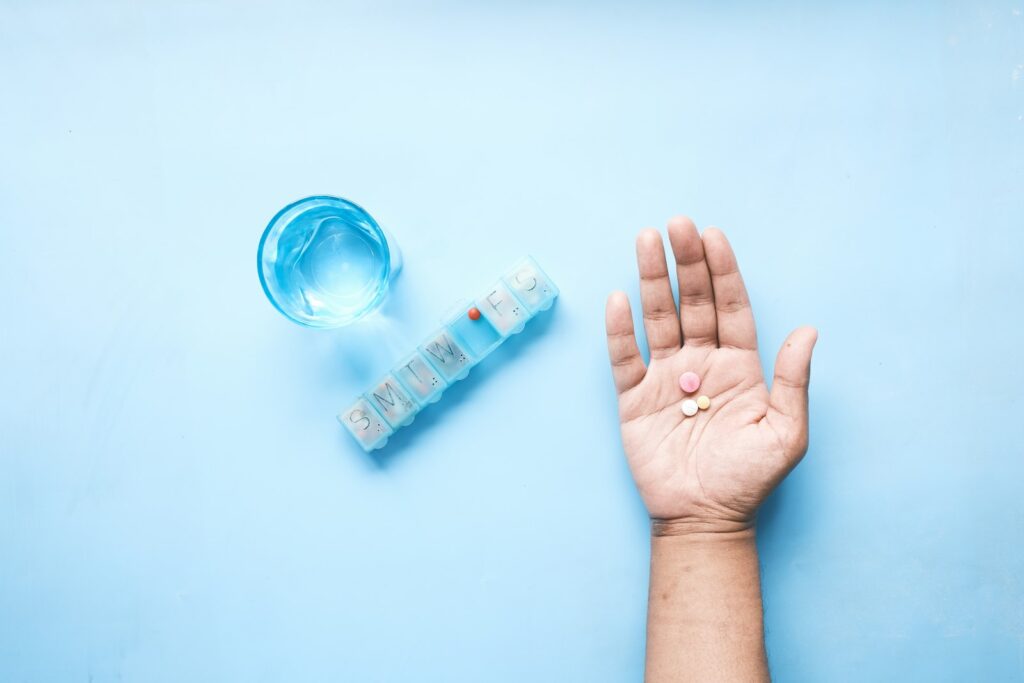
Benzodiazepines are prescription medicines used mainly for short-term relief of severe anxiety, panic or, sometimes, insomnia, and “Z-drugs” are a related group prescribed mainly as sleeping pills. Both can lead to tolerance and physical dependence, which is why they are meant to be used only short-term. The most important safety message: do not stop these medicines suddenly on your own — abrupt withdrawal after regular use can cause serious effects including seizures. Coming off must be done slowly, under medical supervision.
Feeling anxious, low, or struggling to cope lately?
Message our care team on WhatsApp. Tell us what’s going on and we’ll help you find the right psychiatrist — free, with no obligation.
Chat with our care team on WhatsAppNot sure who to see? Find the right specialist →
In a medical emergency, or for severe or sudden symptoms such as breathing difficulty, chest pain, fainting or stroke signs, call 995 immediately.
Dependence can develop even when a medicine is taken exactly as prescribed — it is not your fault, and it is common and manageable. Never stop abruptly; your doctor will reduce the dose gradually. Call 995 for a seizure or collapse. This guide gives no doses.
What these medicines are
Benzodiazepines calm activity in the brain and nervous system, which is why they ease severe anxiety and help sleep quickly; Z-drugs work in a similar way and carry similar risks. They are genuinely useful for short-term relief, but the same calming action that helps also drives tolerance and dependence with longer use, which is why doctors deliberately prescribe the lowest helpful amount for the shortest time — often only days to a few weeks. This guide names no specific medicines or doses.
Why dependence develops
Two processes matter. Tolerance means that over time the body adjusts and the same amount stops working as well, so the medicine seems to help less than it did. Physical dependence means the body has adapted to having the medicine present, so stopping causes withdrawal — and this can happen even when someone has taken the medicine exactly as directed. It is a normal physiological response, not a sign of weakness or a moral “drug problem,” and it is not the person’s fault. Reassuringly, dependence is common and manageable, and many people come off successfully with support.
Who is affected
Anyone prescribed these medicines can develop dependence, especially with longer or repeated use. Some groups warrant extra care: older adults, who also face a higher risk of falls and confusion; people with long-standing anxiety or insomnia; those with a history of substance use; and anyone taking these medicines alongside other sedatives or alcohol, which is particularly risky.
Signs of dependence
Signs include needing more than before for the same calming or sleep effect; finding it hard to stop or cut down, or feeling anxious at the thought of running out; taking the medicine for longer or at higher amounts than intended; and rebound anxiety or insomnia when a dose is missed or delayed, sometimes worse than the original problem. People may find themselves planning the day around the medicine, feeling they cannot cope or sleep without it, or seeking early refills or supplies from more than one source.
Why you must not stop suddenly
Stopping benzodiazepines or sleeping pills abruptly after regular use can cause serious withdrawal — including, in some cases, seizures, which can be dangerous. For this reason you should never stop on your own; health guidance is clear that the dose should be reduced gradually rather than stopped suddenly. If someone has a seizure, collapses or becomes very unwell after stopping, call 995. Raising this with your doctor is safe and confidential — doctors help people with this regularly and expect it.
How tapering works
Coming off safely is done by tapering: the prescriber reduces the dose in small, gradual steps over time so the body can readjust gently, keeping withdrawal mild and safe. The pace is individual and planned with you, and it can be slowed if symptoms flare — it is not a race, and no doses are given here. Withdrawal symptoms during a taper can include rebound anxiety and insomnia, headaches, muscle tension, tremor, sweating, nausea and poor concentration; these are usually temporary and ease as the body readjusts. Serious symptoms such as seizures, severe confusion or hallucinations need urgent help.
Safer approaches and getting help
The longer-term answer to anxiety and insomnia lies mostly outside these medicines. For insomnia, good sleep habits and cognitive behavioural therapy for insomnia (CBT-I) are recommended first-line and last longer than pills; for anxiety, talking therapies such as cognitive behavioural therapy, relaxation and breathing techniques, physical activity and addressing underlying stress all help, and a doctor can discuss other non-dependence-forming options. A doctor reviews whether the medicine is still needed, agrees a personalised tapering plan and treats the underlying problem, with regular follow-up. In Singapore, the National Addictions Management Service (NAMS) can help on 6-RECOVER (6732 6837), and for distress SOS is on 1767 and mindline.sg (1771) offers support. The most reassuring thing to know is that coming off these medicines is a routine, well-trodden process for doctors, and there is no need to feel embarrassed about raising it — dependence on a prescribed medicine is a medical situation, not a character flaw. With a gradual, individualised taper and support for the underlying anxiety or insomnia, most people are able to reduce or stop safely and feel better for it.
Related addiction & behavioural-health topics
- Understanding addiction
- Vaping & e-cigarettes
- Nicotine replacement therapy
- Alcohol withdrawal
- Drug addiction
- Gaming disorder
- Internet & screen addiction
- Relapse prevention
- Helping a loved one
- How to quit smoking
- Psychiatrists in Singapore
Sources
- NHS — Diazepam: nhs.uk
- NHS — Zopiclone: nhs.uk
- National Addictions Management Service (NAMS): nams.sg