
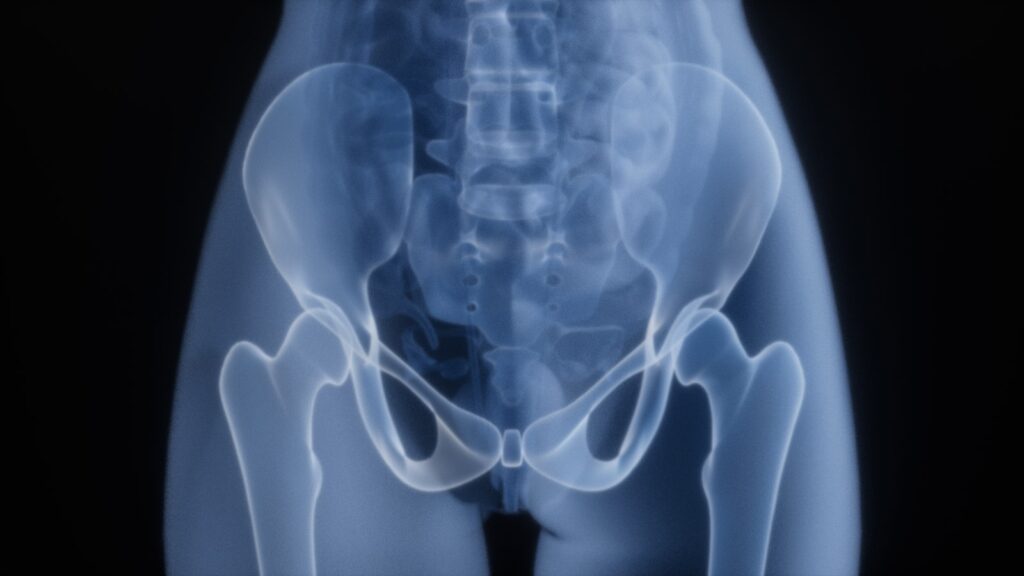
Quick answer: Avascular necrosis (also called osteonecrosis) is a condition where part of a bone loses its blood supply and the bone tissue starts to die. Over time the weakened bone can collapse and damage the nearby joint, leading to arthritis. The hip is most commonly affected. Early symptoms are often absent, so persistent joint pain — especially hip or groin pain that is worse when you put weight on it — deserves review by an orthopaedic surgeon, particularly if you use steroids or drink heavily. Catching it early gives you more treatment options.
Not sure which specialist you need?
Message our care team on WhatsApp. Tell us what’s going on and we’ll help you find the right specialist — free, with no obligation.
Chat with our care team on WhatsAppNot sure who to see? Find the right specialist →
In a medical emergency, or for severe or sudden symptoms such as breathing difficulty, chest pain, fainting or stroke signs, call 995 immediately.
Bone is living tissue that needs a steady blood supply to stay healthy. When that supply is interrupted, the affected area of bone can begin to die — a process known as avascular necrosis or osteonecrosis. It often develops quietly, and by the time pain appears the bone may already be weakening. Understanding the risk factors and warning signs helps you seek care early, when more can be done to protect the joint.
What avascular necrosis is
Avascular necrosis is a condition in which part of a bone loses its blood supply and the bone tissue begins to die. Without adequate circulation, the bone cannot repair the tiny stresses of daily use. Over time the affected area can weaken and eventually collapse, and the smooth surface of the nearby joint can be damaged. This joint damage often progresses to arthritis, with lasting pain and stiffness. The hip is the joint most commonly affected, though avascular necrosis can occur in other bones and joints too. Because early disease may cause few or no symptoms, catching it early is important — it gives you access to a wider range of treatments before the bone collapses.
Symptoms
In its earliest stages, avascular necrosis often causes no symptoms at all. As it develops, the usual first sign is pain in the affected joint. When the hip is involved, this pain is commonly felt in the groin, thigh or buttock. At first the pain tends to come on with weight-bearing — standing, walking or climbing stairs — and eases with rest. As the condition progresses, the pain can become more constant, present even when you are resting or lying down. Other features include stiffness, reduced movement in the joint, and a limp as walking becomes more difficult. Symptoms usually worsen gradually over months.
Causes and risk factors
Avascular necrosis happens when the blood supply to a section of bone is interrupted. Sometimes this follows an injury to a joint — a fracture or a dislocation can tear or compress the small blood vessels that feed the bone. In other cases there is no injury, and the cause relates to factors that affect circulation or bone health. Recognised non-injury risk factors include long-term or high-dose steroid use and heavy alcohol use. Certain medical conditions raise the risk too, such as sickle cell disease and blood-clotting disorders, along with some treatments used for other illnesses. In a proportion of people, no clear cause is ever found. Having a risk factor does not mean you will develop the condition, but it does make prompt assessment of joint pain more important.
Which bones are affected
The hip is by far the most commonly affected site, and hip involvement is often what brings people to an orthopaedic surgeon. However, avascular necrosis can affect other joints as well. The knee, shoulder and ankle are among the other sites that may be involved, and less commonly it can affect smaller bones. It is also possible for more than one joint to be affected at the same time, particularly when the cause is a whole-body factor such as steroid use rather than a single injury.
How it is diagnosed
Diagnosis begins with a careful history and physical examination. Your doctor will ask about the pattern of pain, any injuries and your risk factors, and will check the movement of the affected joint. X-rays are usually taken, but in early avascular necrosis they can look normal because the changes are not yet visible. For this reason, an MRI scan is often the key test — it is sensitive enough to detect the condition at an early stage, before the bone collapses and before an X-ray would show anything. In some cases other scans are used to build a fuller picture or to check whether other joints are involved. In Singapore, this assessment is typically carried out by an orthopaedic surgeon at hospitals such as SGH, NUH or TTSH.
Treatment
Treatment depends on which joint is affected, how advanced the condition is, and its underlying cause, so plans are tailored to the individual. In early stages, the aim is to protect the bone and relieve symptoms while it has the best chance of recovering. This may include reducing weight-bearing on the affected joint, pain relief, and physiotherapy to maintain movement and strength. Addressing the underlying cause is an important part of care — for example, reviewing steroid use with the prescribing doctor or reducing alcohol intake. Joint-preserving surgical procedures may be offered to relieve pressure inside the bone or to support the weakened area, aiming to delay or prevent collapse. In more advanced stages, where the bone has already collapsed and the joint is badly damaged, joint replacement surgery is often the most effective option to restore comfort and function. Your orthopaedic surgeon will discuss which approach best suits your situation.
Living with it and self-care
Alongside medical treatment, there is a lot you can do to support your joints. Managing risk factors matters most — this includes cutting down or stopping alcohol and working with your doctor on any long-term medicines rather than changing them on your own. Following the activity advice you are given helps protect a vulnerable joint; this may mean limiting high-impact activities while keeping up gentler movement. Staying active within your limits helps maintain strength, mobility and general health. Physiotherapy guidance can help you find the right balance, and keeping to review appointments allows your team to track the joint over time.
When to see a doctor
See a doctor if you have persistent joint pain that does not settle, especially hip or groin pain that is worse when you put weight on the joint. This is particularly important if you have risk factors such as steroid use or heavy alcohol use, or a condition like sickle cell disease. Because avascular necrosis can be present before an X-ray shows any change, early review by an orthopaedic surgeon is worthwhile — treating the condition early gives you more options and a better chance of preserving the joint. Do not wait for the pain to become constant before seeking help.
Common questions
Is avascular necrosis the same as arthritis?
No, but they are linked. Avascular necrosis is the death of bone tissue from loss of blood supply. If the bone collapses and the joint surface is damaged, arthritis can develop as a result.
Can avascular necrosis be reversed?
Once bone has died it does not simply return to normal, but early treatment can protect the joint, relieve symptoms and slow or prevent collapse. This is why catching it early gives more options.
Does it always need surgery?
Not necessarily. Early-stage disease may be managed with reduced weight-bearing, pain relief, physiotherapy and addressing the cause. Surgery, including joint replacement, is considered when the condition is more advanced or the joint has collapsed.
Why is the hip affected so often?
The blood supply to the top of the thigh bone is relatively fragile, so it is vulnerable when circulation is disrupted by injury or other risk factors. This makes the hip the most common site.
Which doctor should I see in Singapore?
An orthopaedic surgeon assesses and treats avascular necrosis. You can be referred through a polyclinic or your GP to hospitals such as SGH, NUH or TTSH for imaging and specialist review.
Related guides
Sources
- Singapore General Hospital
- HealthHub
- NHS
- American Academy of Orthopaedic Surgeons
Disclaimer: This guide is for general information only and is not a substitute for professional medical advice. It should not be used to diagnose or treat any condition. If you have persistent joint pain or concerns about avascular necrosis, please consult a doctor or an orthopaedic surgeon.